
Who should consider a Roth conversion?
Consider a Roth conversion this year if you meet some or all of the following criteria:
• You have a large 401(k), 403(b), SEP IRA, or SIMPLE IRA that is eligible for conversion to a Roth.
• You expect your income this year to be unusually low.
• You can pay the taxes due out of your own pocket, without having to touch retirement accounts.
• You expect to be in a higher income tax bracket in future years.
Advantages
There are several advantages to this strategy:
• You are shifting income from a tax-deferred bucket to a tax-free bucket: Once assets are safely in the Roth for five years, all their growth flows to you tax-free.
• It reduces all your future RMDs from the remaining tax-deferred assets in your retirement account.
• Roth IRAs do not require RMDs.
Disadvantages
When you convert IRA or 401(k) assets to a Roth, you effectively increase your taxable income for the year. For some taxpayers, this can cause unwelcome side effects:
• You could push yourself into a higher marginal tax bracket.
• You could trigger or increase taxes on Social Security income.
• You could trigger an increase in premiums for Part B or Part D Medicare or both.
So, be sure you understand the totality of the tax and financial situation before you execute a Roth conversion.
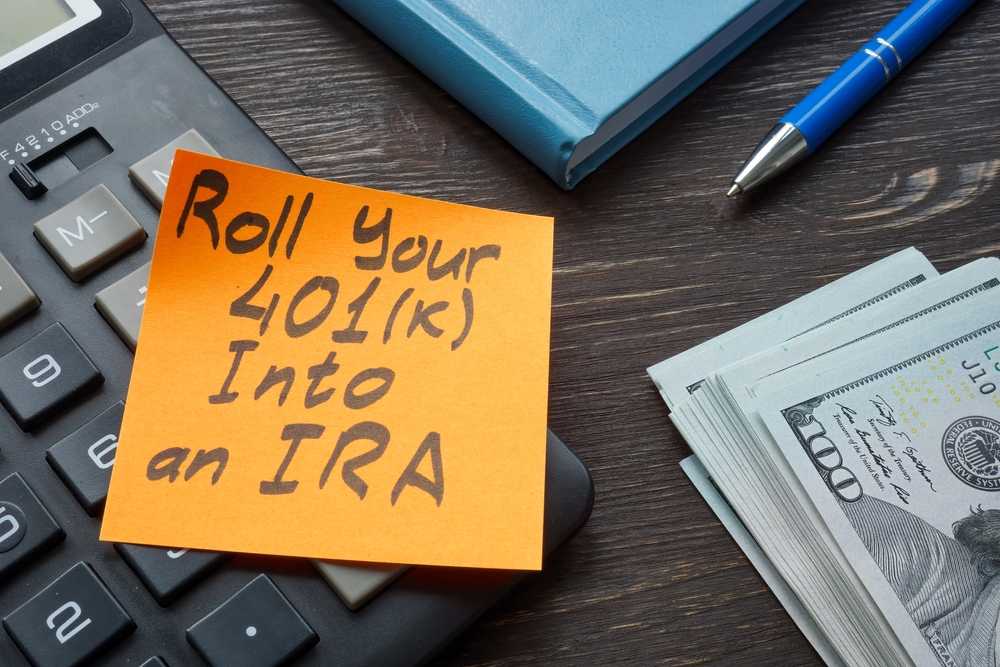
This opportunity isn’t limited to traditional IRA distributions. You can also execute the strategy with a 401(k), 403(b), SEP, or SIMPLE IRA. However, you cannot do a direct rollover with an inherited IRA.